Blog Post Your Guide to Creating A Digital PR Strategy
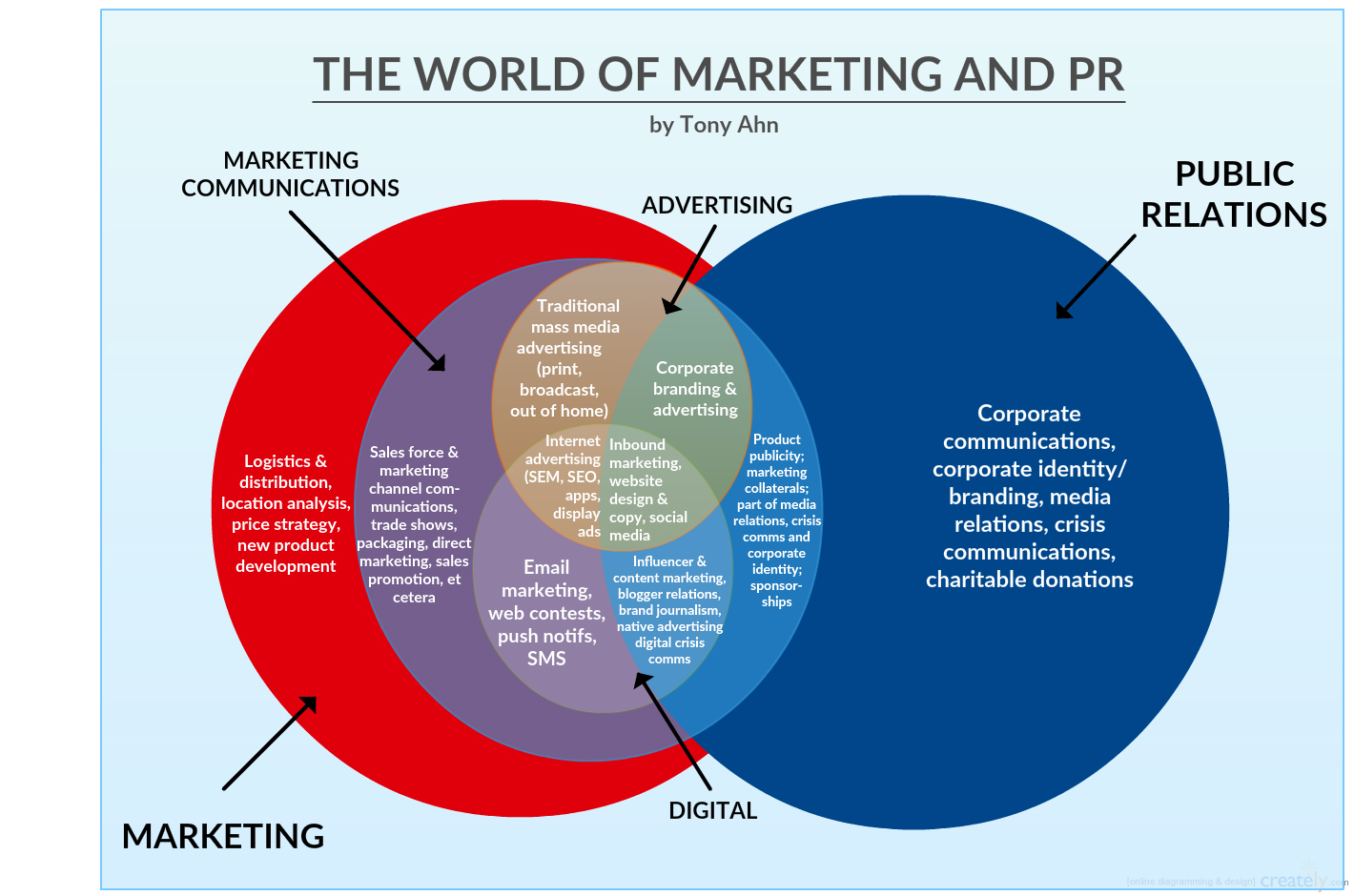
Digital PR is a wonderful combination of media relations and search engine optimization. It provides the dual trust-building advantages of third-party authentication when done correctly. Your content’s “wings” are provided by SEO. However, getting high-quality PR exposure requires optimizing material to attract journalists’ interest. When you include actual research in your article, whether it’s market information from your service or a survey from your network, reporters believe it.
The following are the components of a digital PR strategy:
- Publish first-party research work
- Send that material to publications with a high perceived value
- Optimize target keywords with a significant number of results
- Over time, gather organic and earned backlinks
Step 1: Building an In-House Content Unit
You must create a trustworthy engine for generating high-quality backlinks and increasing brand awareness. So, to put your plan into action, hire a public relations and SEO expert. You will also need a formidable in-house research group of researchers and writers that can assist you in content creation. They will use first-party information from your platform and communities to support them.
Assist the research team in choosing a topic and developing a plan. They’ll do some research and writing. The SEO expert must then update and market the material. To create graphics for your data, you might as well hire a skilled graphic designer!
This technique might simply be replicated on a shoestring. It is recommended to recruit a PR Strategist and a Research Analyst as a core team. You can easily subcontract your design requirements, and the analyst can produce the report.
Step 2: Find Out the Trends of The PR world
This is the point at which everyone starts talking.
People routinely question, “How would you choose which topics to research?” or “How do you keep up with the latest trends?” “How do you recognize what people will talk about in five months?”
The irony is that story chasing is the PR world’s secret sauce. It’s your responsibility to observe patterns in the world and come up with tale theories based on them. To stay abreast of key themes, a thorough PR staff uses automated social listening technologies. They follow relevant personalities on social media. They’ve got content knowledge gurus waiting to take your call. And they’re always reading or (let’s be honest, skimming) stories from targeted reporters and publications.
Here’s what you can do:
- Begin with Google News: Enter your core topic and scroll through the first three pages of results. Take a look at what’s trending. Note the many perspectives that people are taking currently.
- Keywords for research: Use tools to find which keywords have the most volume in your issue area.
- Look for hashtags: Look at what genuine people have been saying on Twitter and LinkedIn. Read comments and make a note of any fresh influencers you come across.
- Surf the web for information: Look for the “10 best blogs” on your subject. Then take a look at each one and see what important issues they address. Keep an eye on how they portray news or research from organizations similar to yours.
- Analyze the gaps: It’s now time to search for flaws. What’s unique and distinctive that folks aren’t talking about presently? This is the most important phase and, it is your competitive advantage.
For each campaign, you must devote 1-2 business days to obtain these facts.
Step 3: Make Standout Content
Writing quality content is difficult, but it is both an art and a science that can be learned. Check to see if you can trust the information you’ve gathered. Your statements should be supported by facts, and your information should be impenetrable. This is how you establish credibility for your material. After you’ve completed your research, it’s time to turn your findings into high-quality thought leadership. Produce intriguing, solid, and defensible original data. Then, create content that ranks for strong keywords. Write in a PR-friendly tone that will pique the interest of journalists.
Step 4: Identify the Relevant Journalists
Ensure your Google News filters are configured to “this year” or even “this month” while browsing. Nothing is more aggravating than discovering the ideal writer for a project only to discover they fell silent on Twitter three years ago and haven’t been heard from since.
Don’t overlook the smaller blogs. Relevant blogs might be your most powerful ally. They have more influence over the editing process; thus, your content will be included more frequently. Finally, if you’re willing to invest in PR tools, do so. The majority of tools contain search functions that make it easy to locate journalists. After you’ve completed this step, you should have a list of writers who are intrigued by your work. Collect their emails and prepare to pitch!
Step 5: Send Pitches
Follow this for crisp pitches:
- Your pitch email should be no longer than 100-200 words. It’s best to pitch fewer things, but ensure they’re of superior quality.
- Make a template. This comprises the basics, like the report’s name, launch date, and a link to the study.
- Never pitch without a distinct hook! Make each journalist’s introduction and closing statement authentic.
- Add your information. Include a bulleted breakdown of the report’s top four hottest figures in research projects. Alternatively, the top four statistics that are most important to that journalist. This allows them to get a sense of the facts right away.
Step 6: Promote and Measure Your Performance
Start thinking about alternative ways to promote your PR campaign once it’s up and running. Your postings will get a lot more attention if you tag other businesses or influencers.
The number of backlinks received by a PR campaign is used to determine its success. Keep track of the keywords that the article ranks for. And keep an eye on the overall amount of page views as they grow over time. For your independent growth, measurement is essential.
You don’t need a lot of funds, a big team, or a significant retainer with an organization. You simply must understand how to play the game.