Blog Post Maintaining Mental Health To Become A Better Journalist
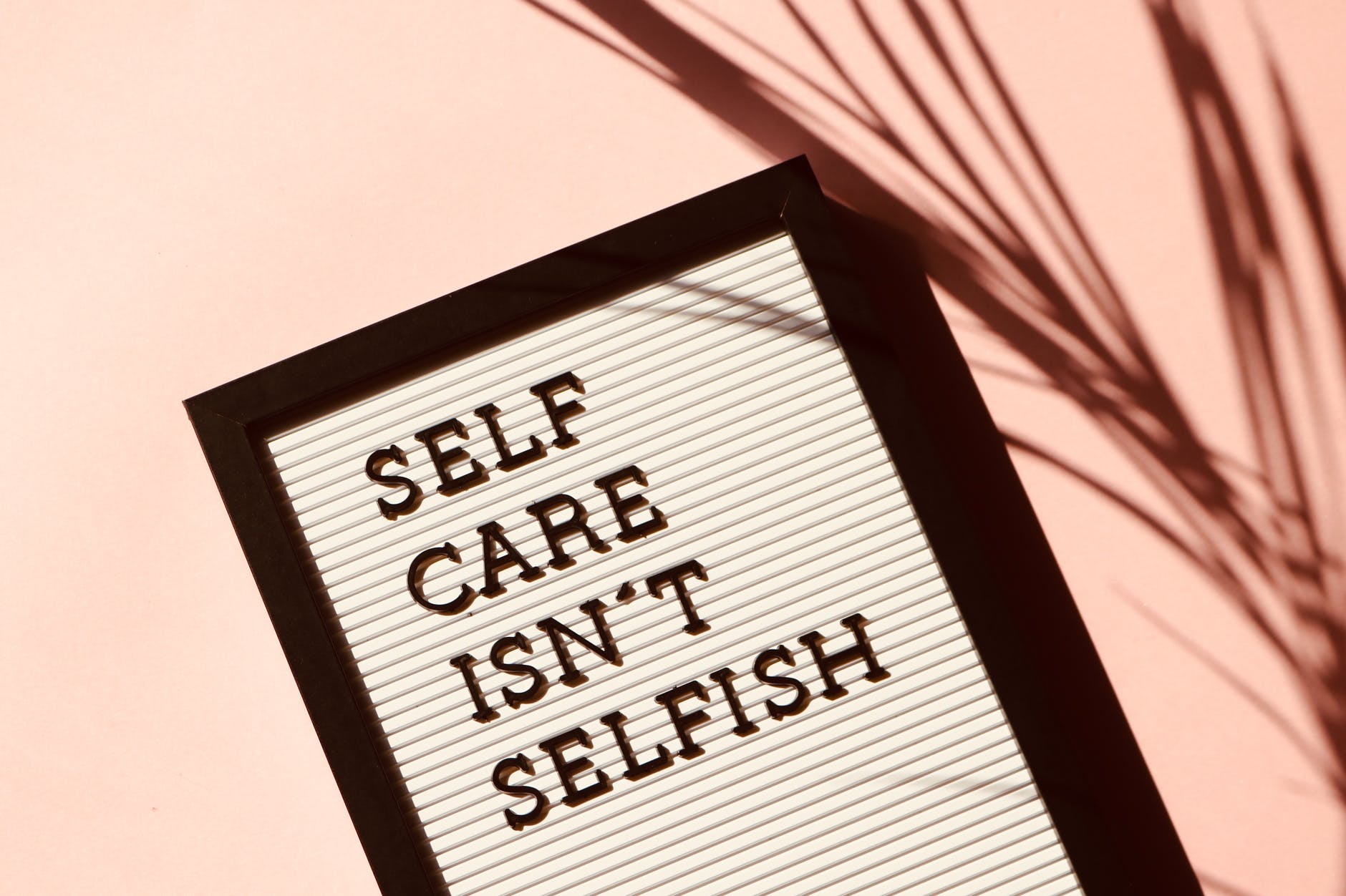
At some time in their careers, many journalists become eyewitnesses to disasters, human misery, or other horrific incidents, particularly during the epidemic. Journalists are exposed to a lot of stress and psychological anguish on the job. Maintaining one’s mental health requires a sense of control. In the face of a nonstop news cycle, a profession beset by financial constraints, an erosion of trust and attacks by prominent figures, and a newsroom culture that generally shies away from admitting vulnerability, these are reasons see why so many journalists feel out of control. Stress comes not only from reporting on tragic tales and working long hours in today’s journalism climate but also from the economic uncertainty and tremendous physical hazards reporters now confront as a result of the pandemic.
Fortunately, journalists can utilize a variety of healthy coping methods to manage challenging situations and feelings. These can include talking about unpleasant situations with co-workers, journaling or other self-reflective practices, taking care of your body with regular exercise and a nutritious diet, and investing in individual psychotherapy, which can give a safe space to check in with yourself.
Here are some following tips,
Setting Boundaries
Maintaining mental health necessitates the use of boundaries. Setting clear boundaries with oneself and others, for example, can assist in separating business and personal life. The blurring of boundaries, on the other hand, can give the impression that a “good journalist” will do “whatever it takes” to get the story, or that the urgency of today’s crisis trumps other needs and relationships in our lives. We make choices that do not serve us well and do not honor our genuine priorities when boundaries are blurred. One option for maintaining those limits is to set aside time outside of work. Setting out fully work-free time daily, monthly, and annually, even if it’s challenging at first, could be a good start.
Look after your health
Knowing that listening to and retelling other people’s painful narrative stories might cause collateral harm can help journalists pay attention to their mental health requirements. When you ask yourself, “How do I feel?” pay attention to your body as well as your intellect. Physical pain, poor sleep, sweaty hands, and even chest pain are all symptoms of stress and trauma retained within the body. Learn to pay attention to your body’s signals. Excessive or prolonged stress can hurt our health. When my mental health is failing, I have problems sleeping, digesting food, and having back head, or neck issues. We can perhaps notice these signs before they get too serious if we learn to listen to ourselves.
Share your thoughts
Don’t be scared to get the help of those you trust. They often notice you in distress and wait to be asked to give their thoughts. Above all, don’t dismiss the worries of those who care about you. They may not comprehend what it’s like to do what you do, but they are familiar with you at your finest. Recognize that others struggle in different ways; this may assist you in coping with your own. Some may appear to be detached, while others appear to be hyperconnected. Journalism relies heavily on empathy. We forget to connect with our co-workers in the same manner that we connect with our tales at times.
Keep Moving
Not only is exercising beneficial to your health, but it also benefits you psychologically and physically in a variety of ways. However, you don’t have to spend hours at the gym to reap the rewards. It just takes 30 minutes a day to reap the benefits of physical activity, whether done all at once or spaced out throughout the day, such as taking a stroll after each meal or ascending the stairs instead of taking the elevator.
Take Small Steps
You’ll probably get nowhere if you try to do everything at once. Set objectives, then draw a dotted line from point A to point B to point C. Along the road, take a break and rest. You’ll be grateful for it later.
Think Positively
Yes, it sounds extremely basic, but we’re not recommending you turn become an eternal optimist overnight. Positive thinking can be as simple as practicing gratitude or doing anything that makes you happy, whether it’s listening to motivational podcasts, viewing motivational videos, or playing a piece of music that makes you smile.
And most importantly,
Be kind to yourself
Journalists have a reputation for being perfectionists, ambitious, and hard workers. However, they must treat themselves with compassion. It’s acceptable to be worried, it’s okay to be stressed in these stressful and frightening times. Stress is a natural response to a strange scenario. Everyone has been under pressure this year, with many who were already fragile feeling the brunt of it. It’s okay to say you’re having difficulties, even if it’s just to yourself. On days when you’re merely surviving rather than thriving, it’s fine to lower your expectations. It’s a completely reasonable reaction to a truly extraordinary catastrophe. Take it easy on yourself because these are difficult times.
Pitch
Journalists, during the Pandemic eyewitnesses to tragedies, human agony, or other awful situations at some point in their employment. On the job, journalists are subjected to a great deal of stress and psychological agony. Keeping one’s mental health in check necessitates a sense of control. Few steps for maintaining mental health are: setting boundaries, look after your health, share your thoughts, keep moving, tale small