Blog Post Critical Influencer Marketing Techniques for a Decisive Victory
You’ve probably heard of influencer marketing, a rising marketing strategy in which people utilize their presence on social media and reputation among their target audience to collaborate with businesses for product placements and references.
It’s extremely difficult to look at social media without coming across influencer marketing. Influencers are flaunting their latest delicacies, outfits, beauty products, and candles wherever you look, and that’s only the starting. Influencers today have a lot more alternatives than influencers in the past. There are a plethora of social media sites to pick from, and they may produce a wide range of material. YouTube and TikTok are wonderful video sites for folks who enjoy them. Traditional blogging or perhaps even Facebook can help those who would like to publish long-form written content. Instagram is a great place for influencers who want some bit of everything. Although Clubhouse is still a major platform, it won’t be too long until influencers figure out how to use it.
Here are some easy steps to begin an effective influencer marketing campaign, as well as the key influencer marketing techniques you’ll need to implement successfully.
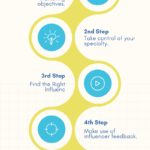
1)Make a list of your marketing objectives.
The first step is to write out the objectives you want to achieve with your campaign. Because goals change from one business to the next, it’s critical to consider what exactly your influencer marketing campaign’s ultimate goal is. Boost online sales, produce better prospects, build a strategic customer connection, and raise brand recognition are all common objectives.
2) Take control of your specialty.
You must own your area if you want to become an expert in your field. It’s not enough to know a lot about a few topics; you need to concentrate on one hyper-specific topic and make it your own.
3) Find the Right Influencers for Your Business
After you’ve decided on your intended audience, you can start looking for and vetting possible influencers. When choosing stakeholders for your influencer marketing program, there are a number of things to consider. So here are some of the most frequent ones:
- What channel do they have more clout on?
- Do their following fit your target demographic?
- What is the size of their fan base?
- What percentage of their followers are actively engaged?
- Will they be open to a long-term partnership?
- Are these in your price range?
4) Make use of influencer feedback.
Each website needs more comments, but consumers don’t always remember to return back and post a comment or talk about their experiences. You may collect an influencer’s testimony and narrative when businesses work with them. You may provide extra social evidence to your potential consumers by including personal data on your website as a whole rather than on the site of the product they’re evaluating individually. This will give them greater confidence in purchasing.
5) Give an influencer a raise.
Giving a discount when collaborating with an influencer is a fantastic method to boost campaign sales and return on investment. To begin with, providing a discount code particularly for that contributor will enable you to measure their conversions, as we said previously. However, many consumers will seriously consider making purchases if they can save money in the process. That can sometimes be the deciding factor in convincing someone to visit your store and make a purchase.
6) Use micro-influencers to your advantage.
Connecting with micro-celebrities is absolutely the way to just go, particularly for eCommerce firms, as we said previously. If someone has a modest following, don’t be scared to work with them as long as their interaction rate is high. It’s easy to think that if you’re dealing with an Influencer, you need to pick someone who has at least a thousand likes so they can use the swipe-up function, but this isn’t the case. A successful campaign does not require such a feature. Instead, companies might employ a direct message approach to rely on the relationships they’ve developed with their tiny audience to persuade people to learn much more and purchase.
7) Act what you really want, not what your competitors want.
When you’re attempting to establish a reputation for yourself, it’s all too tempting to copy the methods and ideas that your colleagues (or personal idols) are doing. While this may work in some cases, openly replicating someone else’s influencer marketing strategy may not always provide the intended outcomes. In certain situations, it may even jeopardize your own brand and trustworthiness.
Rather of copying someone else’s methods for becoming an influencer, concentrate on the content you’re creating. Nevertheless, don’t just focus on providing great material to your usual audience; instead, create captivating, original content that is tailored to grab the attention of influencers.
Conclusion
Influencer marketing is around to remain, and it’ll only get bigger in the years to come. Engaging with influencers may help e-commerce firms achieve their goals, no matter what they are. Influencers may help you build a following, increase sales, or just spread the word about your company. Whatever the case may be, now is an excellent day to begin planning your influencer marketing approach.